

The Centers for Medicare and Medicaid Services (CMS) has announced waivers and loosened some provider restrictions since the public health emergency was declared. There Read More →

When dispensing surgical dressings, the dressing size should be selected based on the size of the ulcer being treated. From a clinical standpoint, the Read More →

As of January 1, 2020, the DMEMAC requirement for a "Detailed Written Order" when ordering surgical dressings has changed to the requirement for a Read More →

AMERX Health Care provides you with extensive resources that include everything you need for perfect documentation to ensure compliance when dispensing dressings. The majority Read More →

In last month's post, we provided the information needed to access the current durable medical equipment (DME) and/or prosthetics (DMMEPOS) fee schedule. When opening Read More →
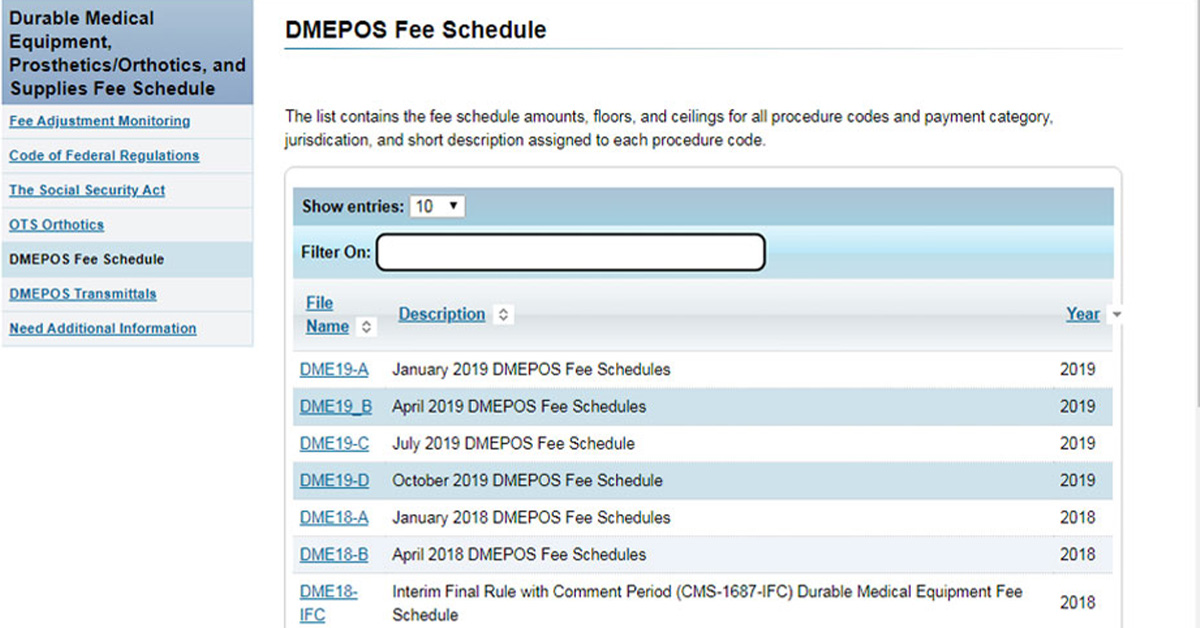
This should not be a guessing game, nor should it be a mystery. Knowing what your reimbursement should be for a service is an Read More →
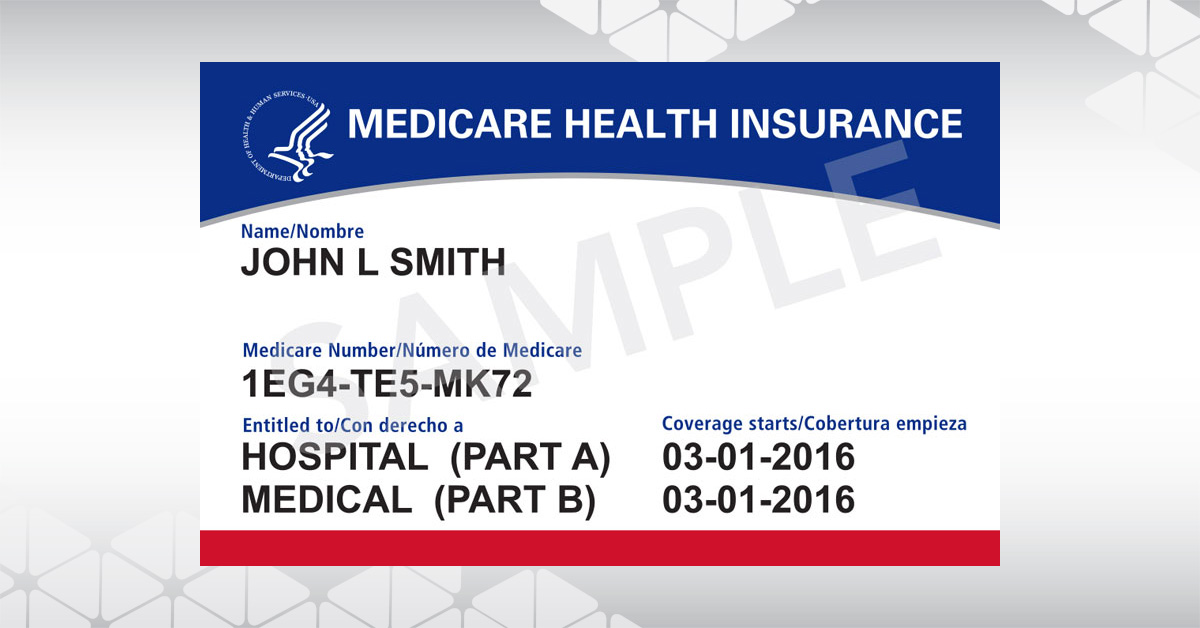
The Centers for Medicare and Medicaid Services (CMS) have removed social security-based claim numbers from Medicare cards and are instead using Medicare Beneficiary Identifiers Read More →

The short answer is...No. Medicare will not make separate payments for items dispensed during any inpatient stay in acute care hospitals, long-term care hospitals, Read More →
-
If you can't dispense surgical dressings/wound care supplies to your inpatients, can you dispense supplies to your nursing home patients? Yes, you can! Dispensing Read More →

Surgical dressings can be used for all types of qualifying ulcers. This includes arterial ulcers, venous ulcers, diabetic foot ulcers, and pressure ulcers. It Read More →