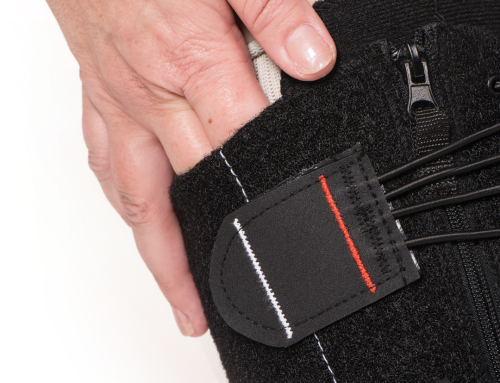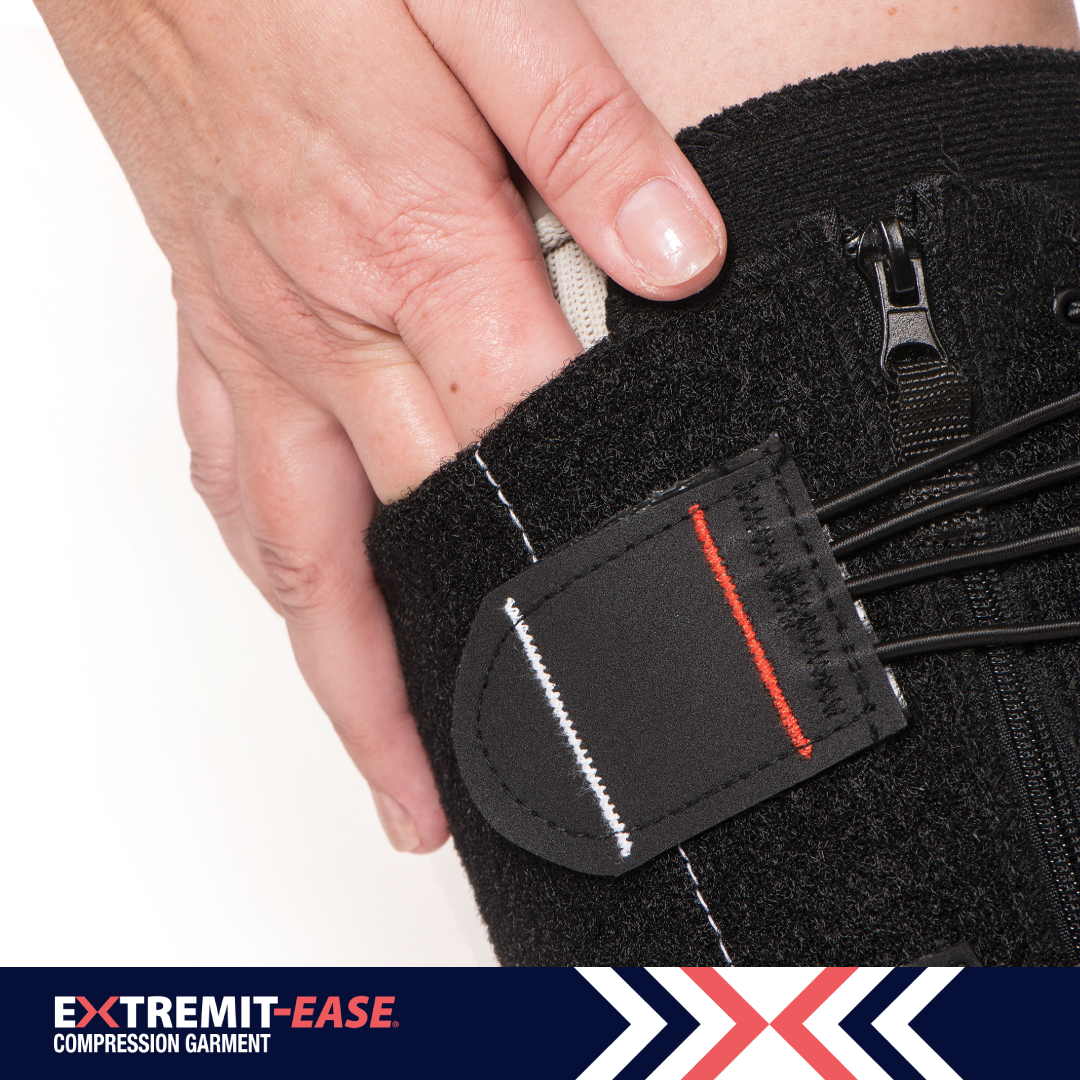
Practitioners who participate in the surgical dressing program can dispense high-quality wound care products directly to their patients and submit for profitable reimbursement of these products. Examples of surgical dressings include collagen, calcium alginate, foam, gauze, hydrocolloids, hydrogel, and compression garments.
Why Should I Do This?

“Dispensing the products a patient needs directly eliminates barriers to care and improves access to essential wound treatment.”
Dispensing the products a patient needs to care for their wounds directly to the patient eliminates the need for the patient to deal with a pharmacy to get these products. This is an advantage to participation in the surgical dressing program because, often, the travel to the pharmacy is a barrier to the patient getting the wound care products they need. Eliminating the pharmacy also eliminates the possibility of the item the practitioner ordered being substituted or changed to something less efficacious by the pharmacy. Patients may also experience surprise copays at a pharmacy that can be a barrier to receiving the products they need. Finally, sometimes a pharmacy may be able to provide part, but not all, of what was ordered and ask the patient to return another day to pick up the rest of the order. This is also a barrier to a patient receiving what they need to care for their wounds.
Patient convenience is a tremendous advantage to participating in the surgical dressing program. Patients enjoy being handed the products they need to care for their wounds at the provider’s office or having them delivered directly to their home the day after a provider encounter. Peer-reviewed literature demonstrates improved patient compliance when products are delivered in these manners as opposed to requiring travel to a pharmacy.
How Does It Work?
Practitioners who dispense surgical dressings typically purchase the dressings and keep them in their office. They then dispense the dressings to patients for whom the dressings are medically necessary. Practitioners can also arrange to have these surgical dressings delivered directly to the patient from the manufacturer. The patients enjoy the advantages listed above. In addition, practitioners enjoy profits for their business because the third-party payer reimbursement associated with the dressings is often significantly higher than the costs. Both patients and practitioners enjoy tremendous advantages through their participation in the surgical dressing program.
Does This Require Special Enrollment?
 All practitioners must always ensure they are practicing within their own state scope of practice. Different states may have different scopes of practice for the same provider type. For example, nurse practitioners can have very different scopes of practice in different states. The same can be said of podiatrists. Before dispensing surgical dressings to patients, practitioners should ensure that doing so falls within their state scope of practice.
As described above, many practitioners dispense surgical dressings and submit claims for payment of those dressings to a patient’s third-party payer. These practitioners must consider the state scope of practice consideration listed above. Because surgical dressings such as collagen, hydrogel, and compression garments are forms of durable medical equipment practitioners also must be aware that many third-party payers require practitioners who wish to dispense surgical dressings to enroll as a durable medical equipment supplier with the payer. One such payer that requires special durable medical equipment supplier enrollment is the Centers for Medicare & Medicaid Services (CMS).
What is Required for CMS Durable Medical Equipment Supplier Enrollment?
Practitioners who wish to enroll as a CMS durable medical equipment supplier must have a National Provider Identifier (NPI) number. This is obtained through the National Plan and Provider Enumeration System (NPPES). They must also meet the DMEPOS Supplier Standards outlined in 42 CFR §424.57. These DMEPOS Supplier Standards include the requirements to:
- Maintain a physical business location
- Have posted business hours
- Maintain inventory or access to inventory
- Allow unannounced inspections
- Maintain liability insurance
- Provide consumer complaint resolution
- Maintain proper recordkeeping
These standards may be enforced by the National Supplier Clearinghouse.
Practitioners who wish to enroll as a CMS durable medical equipment supplier must be enrolled as a Medicare provider. This includes submitting Form CMS-855S. Information required on this form includes:
- Business ownership
- Practice location
- Accreditation documentation
- Liability insurance
Practitioners who wish to enroll as a CMS durable medical equipment supplier must also obtain a DMEPOS supplier number (PTAN). This is required when submitting claims for payment to Medicare for DMEPOS products. Practitioners can choose to outsource the process of enrollment to credentialing specialists who can help to fulfill all of these criteria. Many third-party payers, including CMS, require revalidation of enrollment and/or accreditation at different time intervals.
Recent Enrollment Moratorium
In February of 2026, CMS announced a moratorium on DMEPOS supplier enrollment (and enrollment expansion) for certain medical supply companies. This was announced in the United States Federal Register 91 FR 9855, document number 2026-03971. This moratorium is not expected to impact most practitioner suppliers. This enrollment moratorium affects medical supply companies whose principal function is to furnish DMEPOS supplies, which does not represent most practitioner suppliers. During this moratorium, pharmacies, physicians, hospitals, physical therapists, and DMEPOS supplier types other than the medical supply company types listed below will maintain their ability to enroll and open new practice locations throughout the country. CMS states this enrollment moratorium is related to its efforts to decrease “fraudulent billing.”
Who is Affected By The Enrollment Moratorium?
Page 9859 of the document referenced above lists the supplier types impacted by the enrollment moratorium and they are:
- Medical supply company
- Medical supply company with orthotics personnel
- Medical supply company with pedorthic personnel
- Medical supply company with prosthetics personnel
- Medical supply company with prosthetic and orthotic personnel
- Medical supply company with registered pharmacist
- Medical supply company with respiratory therapist.
None of these seven supplier types include “practitioner supplier.”
Who is Not Affected By The Enrollment Moratorium?
Most practitioners who wish to enroll as CMS DME suppliers (or wish to expand their current enrollment) are not impacted by this CMS enrollment moratorium. Most of these practitioners are not considered a “medical supply company.”
Page 9859 of the document referenced above states “a medical supply company is considered a business whose principal function is to furnish DMEPOS supplies.” The majority of practitioners who wish to enroll as CMS DME suppliers (or wish to expand their current enrollment) do not operate a business whose principal function is to furnish DMEPOS supplies. While part of their business may be furnishing DMEPOS supplies, the principal function of their business is typically providing medical services, not DMEPOS supplies. This guidance is supported on page 9859 of the document referenced above which includes the statement that an “outpatient medical provider’s principal function is typically not the provision of DMEPOS” and concludes with the statement, “Hence, the moratorium would generally not apply to” outpatient medical providers who are DME suppliers. Finally, page 9861 of the document referenced above contains this entry:
“Only seven medical supply company types of DMEPOS suppliers will be subject to the moratorium. Pharmacies, physicians, hospitals, physical therapists, and other DMEPOS supplier types will remain able to open new practice locations throughout the country.”
How Can This Help Me?
While the company types listed above are subject to this moratorium, most practitioners are not. This provides several opportunities to practitioners. While enrollment agencies are not processing DMEPOS supplier enrollment applications for the companies subject to the moratorium, practitioners may enjoy more efficient, faster processing of their own DMEPOS supplier enrollment applications. The same opportunity applies to practitioners who have been considering expansion of their DMEPOS supplier profile. This moratorium may provide an excellent window for expansion with more efficient, faster processing of applications.

“This moratorium may provide an excellent window for expansion with more efficient, faster processing of applications.”
A practitioner who has been prescribing surgical dressings to be dispensed by third-party suppliers rather than dispensing the surgical dressings themself can also use this opportunity to become a supplier. When practitioners enroll as DMEPOS suppliers, they can dispense surgical dressings directly to their patients without having to prescribe through a third-party entity. Eliminating the third party removes potential obstacles such as the patient never following through to pick up the prescribed products. When the practitioner dispenses the surgical dressings their patients need, there is no possibility of a pharmacy or other supplier substituting the product the practitioner felt was best for their patient in favor of something less efficacious. Eliminating this potential pitfall can help to improve patient outcomes. When a practitioner orders surgical dressings to be dispensed by a third-party supplier, that third-party supplier enjoys the profits associated with dispensing the dressings. When a practitioner dispenses the surgical dressings their patients need themselves, the practitioner enjoys the profits associated with dispensing the dressings.
Are There Other Considerations?
Yes! Just like every other service practitioners provide for the beneficiaries of third party payers, there are compliance guidelines to consider when participating in the surgical dressing program. Fortunately, the guidelines for the service of dispensing surgical dressings are very clearly outlined. While Medicare is a national program, it is administered on a local level by Medicare Administrative Contractors (MACs). There are MACs for Part B services and MACs for durable medical equipment (DME). As surgical dressings are a form of DME, the compliance guidelines for surgical dressings dispensed to Medicare beneficiaries are provided by the DME MACs, CGS Administrators, LLC and Noridian Healthcare Solutions, LLC. Non-Medicare third party payers may have their own coverage policies, but most non-Medicare third party payers that provide this benefit use the same guidelines that are provided by the DME MACs. This article shares the guidelines of the DME MACs.
Both DME MACs list the same guidelines that govern coverage of surgical dressings for Medicare beneficiaries in their “Surgical Dressings” Local Coverage Determination (L33831)[1] and “Surgical Dressings” Policy Article (A54563).[2] Because there are only two DME MACs in the US and their surgical dressing policies are identical, the compliance guidelines are the same for all Medicare providers in the country.
Conclusion
Many practitioners can participate in a program that allows them to dispense high-quality surgical dressings such as collagen, hydrogel, and compression garments directly to their patients. When submitting claims for payment of these surgical dressings to third-party payers, many of these payers require practitioners to complete and special DMEPOS supplier enrollment. CMS recently announced a moratorium on DMEPOS supplier enrollment for certain medical supply companies that does apply to most practitioners. Many practitioners can take advantage of this enrollment moratorium by potentially enjoying more efficient processing of their own enrollment or expansion applications and expanding their ability to dispense surgical dressings themselves without having to deal with a third-party supplier.
References:
[1] https://www.cms.gov/medicare-coverage-database/view/lcd.aspx?LCDId=33831&ContrID=140
[2] https://www.cms.gov/medicare-coverage-database/view/article.aspx?articleid=54563