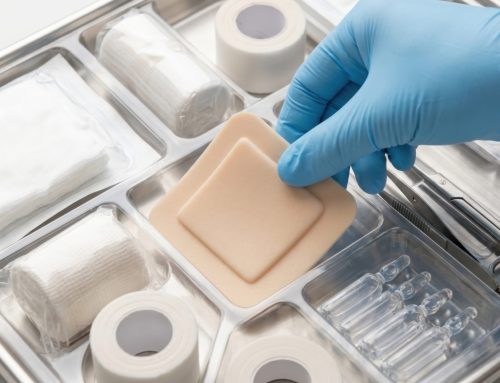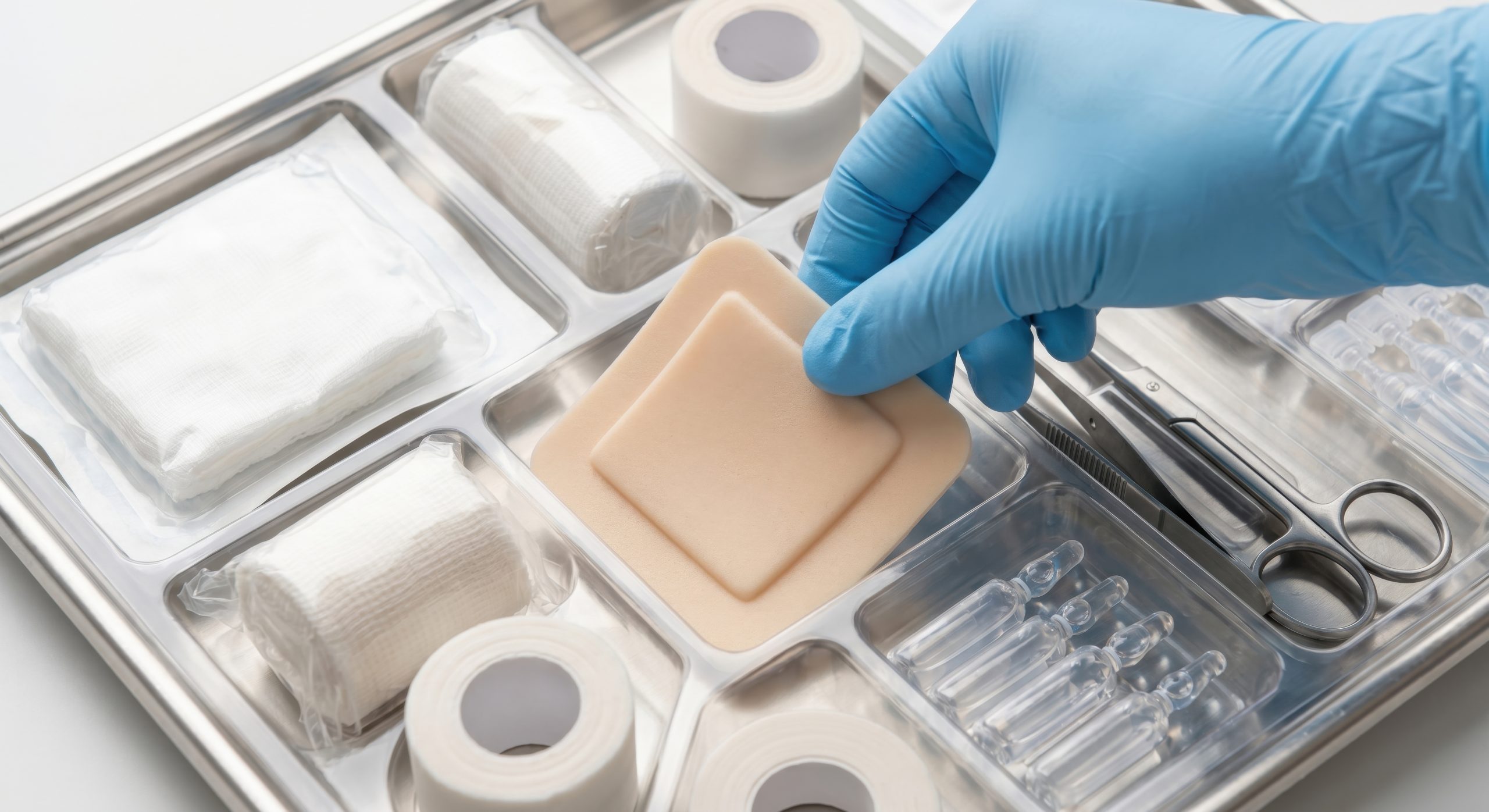
Multiple surgical dressings can be combined to appropriately cover a wound, however there are dressing combinations that are not appropriate. Different surgical dressings have different indications and you should not combine two dressings that have different indications for the same wound.
One example of something that should not be done is to use a dressing that is intended to add moisture to a wound (e.g., hydrogel) along with a dressing that is intended to remove moisture from a wound (e.g., foam).
What Not To Do
According to the current DME MAC Surgical Dressing Policy Local Coverage Determination (LCD) (L33831), alginates are indicated for use with full thickness wounds that have moderate to high exudate. They should not be used on dry wounds or wounds covered with eschar. The same LCD says hydrogel dressings are indicated for wounds that are full thickness that have minimal or no exudate. Therefore, it is never appropriate to dispense and bill for these two different dressing types for the same wound at the same time.
What To Do
An example of an appropriate combination is collagen powder and a foam dressing, as both are indicated for wounds with moderate exudate. This can be an effective combination and is also permissible by the current LCD.
Combining surgical dressings can be an excellent method to care for wounds. When billing for two different dressing types for the same wound, be sure they are both appropriate for the wound being treated.
Check back for May’s blog, where we will cover proper coding, compliance, and documentation for dispensing two different dressings for the same wound.