How Has the Perception of Lymphedema Evolved in Recent Years?
The view of lymphedema has shifted from a neglected, “aesthetic” lifestyle issue to a recognized public health priority, driven by the dismantling of historical diagnostic neglect.
 For decades, the clinical approach was characterized by systemic neglect, where patients suffered under the stigma that swelling was a benign consequence of aging, obesity, or vascular insufficiency. This era is being replaced by a proactive model that views the condition as a manageable biological infrastructure failure. Without proper management, lymphedema causes progressive swelling, superficial tissue changes like fibrosis, and a significantly increased risk of chronic infection. These complications lead to physical and functional limitations, lymphorrhoea (leaking of lymph fluid), pain, and a reduced ability to undertake activities of daily living (ADLs).
How is Advocacy Redefining the Clinical Approach to Lymphedema?
Prominent cultural figures have utilized metaphors to bridge the gap between complex lymphatic physiology and the lived patient experience, effectively redefining how clinicians and patients view the condition:

Simon Callow: By reframing the lymphatic system as a “superbly engineered network of locks and pumps,” Callow shifts the dialogue from passive symptom relief to the active maintenance of biological infrastructure. This addresses the clinical “hell” of inflammation and recurrent infections caused by infrastructure collapse.

Dame Judi Dench: Her use of terms like “cruel disfigurement” and “invisible epidemic” has highlighted the emotional barriers, such as social isolation, that often prevent patients from seeking timely intervention.

Kathy Bates: Her transparency regarding the “disruptive planning” required for secondary lymphedema illustrates the pervasive nature of the condition, empowering patients to arrive at clinics with higher expectations for diagnostic accuracy and access to modern treatments.
Why is the Shift from “Just Edema” to “Infrastructure Maintenance” So Critical?
Clinicians are moving away from dismissive labels toward a model that provides patients with a concrete way to name and view their condition as a manageable mechanical failure.
By providing a vocabulary for this “invisible epidemic,” this paradigm grants patients the autonomy to manage their health, serving as a powerful antidote to the psychological barriers of silence and social withdrawal. When a condition is named and understood as an infrastructure issue, treatment shifts from reactive crisis management to proactive maintenance that prevents secondary complications like cellulitis and sepsis.
What Recent Legislative Changes Have Revolutionized Lymphedema Care?

Under this benefit, Medicare now covers standard and custom-fitted garments for both daytime and nighttime use.
The passage of the Lymphedema Treatment Act (LTA) in late 2022 ended years of insurance exclusion, mandating Medicare Part B coverage for essential compression tools effective January 1, 2024.
Before the LTA, Medicare classified compression garments as “non-covered,” which forced patients to pay out-of-pocket or forgo treatment, often leading to avoidable hospitalizations. The success of the LTA was the result of a 13-year grassroots campaign that achieved more congressional cosponsors than any other healthcare bill. Under this benefit, Medicare now covers standard and custom-fitted garments for both daytime and nighttime use.
Why is There a Shift Toward 24-Hour Integrated Care Protocols?
Modern management recognizes that lymphedema does not stop at night, requiring a continuous plan to prevent fluid re-accumulation and skin integrity loss.
A “yo-yo” effect occurs when progress made during the day is undone overnight, stretching the tissue and compromising the epidermal barrier. 24-hour protocols incorporate specialized garments, such as daytime garments (30-50 mmHg) and nighttime garments (10-25 mmHg), combined with clinical-grade skincare like AMERIGEL to maintain the skin barrier and resolve hemosiderin staining.
How Does Modern Technology Solve the Compression Compliance Crisis?
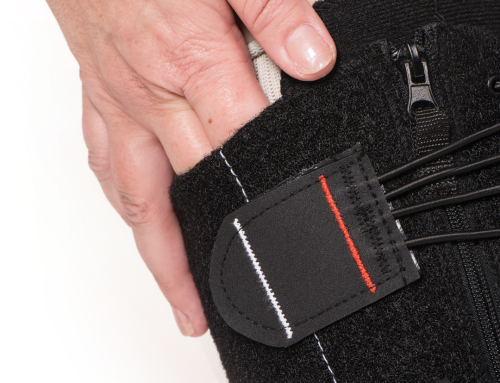
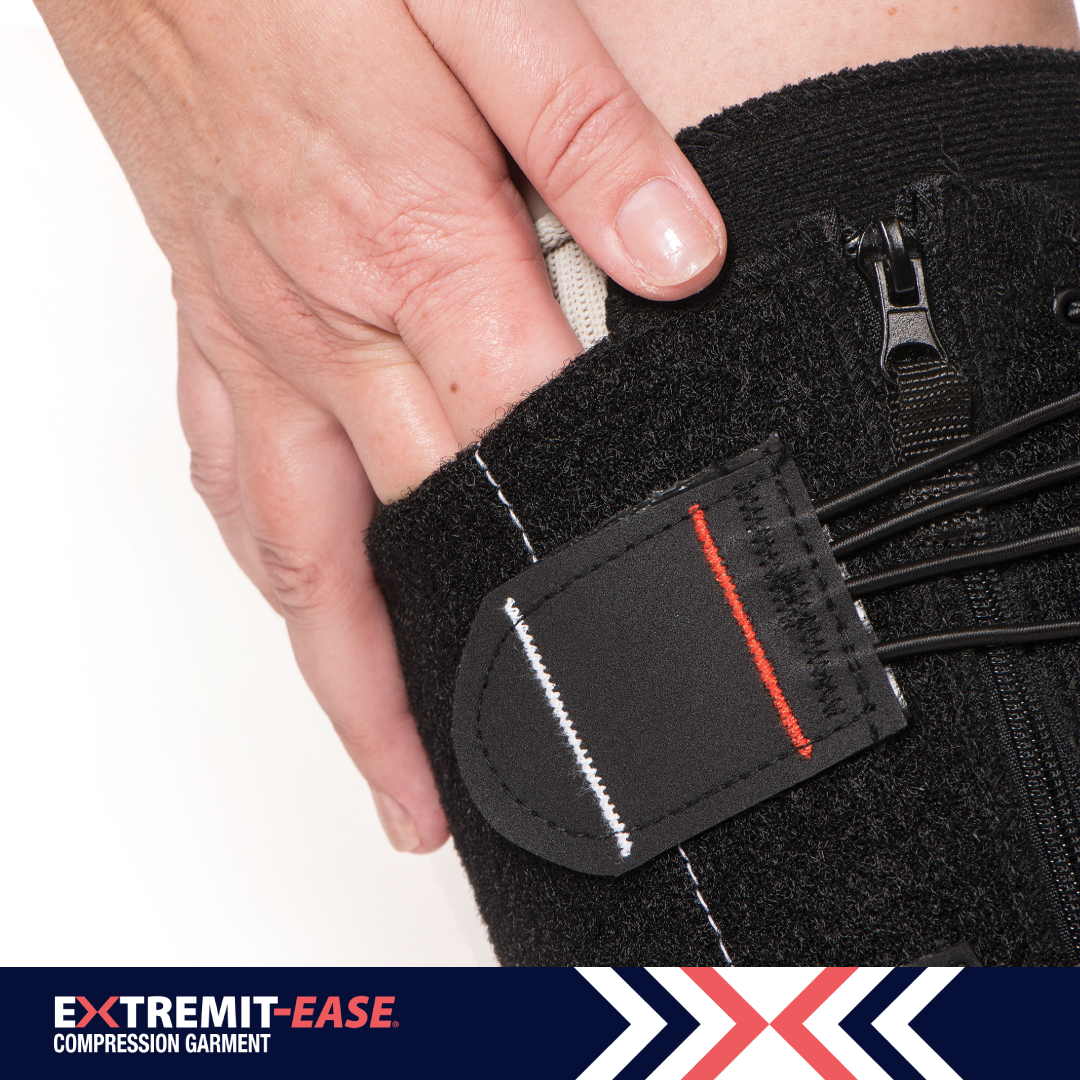
 Adjustable Compression Wraps (ACW) such as the EXTEMIT-EASE Compression System replace the complex “gold standard” of manual bandaging with a “slide, zip, and compress” protocol that significantly improves patient compliance.
Research demonstrates that only approximately one-third of patients remain compliant with traditional garments over the long term. In contrast, adjustable wraps like EXTEMIT-EASE increase compliance to over 61% in previously documented non-compliant patients. These systems address the “Pressure Trap” seen in traditional bandages, which can lose 50% of their interface pressure within just 2 hours of application. Because wraps allow for self-readjustment, they maintain high “working pressure,” which produces a stronger massaging effect during walking to move lymph fluid.
What Are the Clinical and Operational Impacts of These New Strategies?
Transitioning to wrap-based systems achieves nearly double the limb volume reduction of manual bandages while shifting the labor burden to supported self-care.
● Clinical Superiority: A randomized controlled trial found that adjustable compression wraps (ACW) achieved a 10.3% median volume reduction in 24 hours, compared to only 5.9% for traditional inelastic multicomponent (IMC) bandages.
● Operational Efficiency: Because ACWs allow for autonomous handling, patients can maintain therapeutic levels of compression by tightening the wrap themselves as the limb shrinks. This self-management model is a promising step toward independence from specialized medical staff for daily maintenance.
Summary: The Future of Lymphedema Care
The management of lymphedema has transitioned from a period of clinical silence to a new era of patient empowerment. By integrating cultural advocacy, legislative reform, and technological innovation, the modern care model addresses both the physical and psychological needs of the patient.

The management of lymphedema has transitioned from a period of clinical silence to a new era of patient empowerment.
● Empowerment through Vocabulary: Metaphors like “locks and pumps” provide patients with the agency to view their condition as a manageable mechanical failure rather than an aesthetic burden.
● Legislative Access: The Lymphedema Treatment Act ensures that cost is no longer a barrier, providing Medicare coverage for three daytime garments every 6 months and two nighttime garments every 2 years.
● Clinical Efficacy: Adjustable wraps like EXTREMIT-EASE offer superior volume reduction (10.3% vs. 5.9%) and solve the compliance crisis through easier application and autonomous pressure adjustment.
● 24-Hour Protection: Continuous management through day-and-night compression and specialized skincare is essential to preventing the chronic infection and tissue fibrosis associated with untreated lymphedema.